
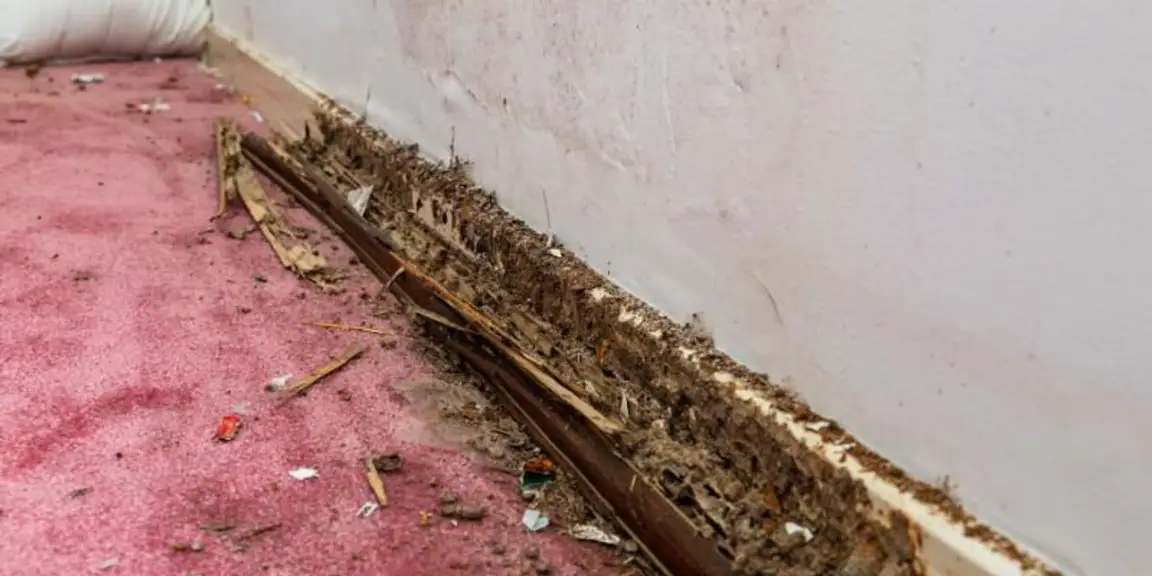
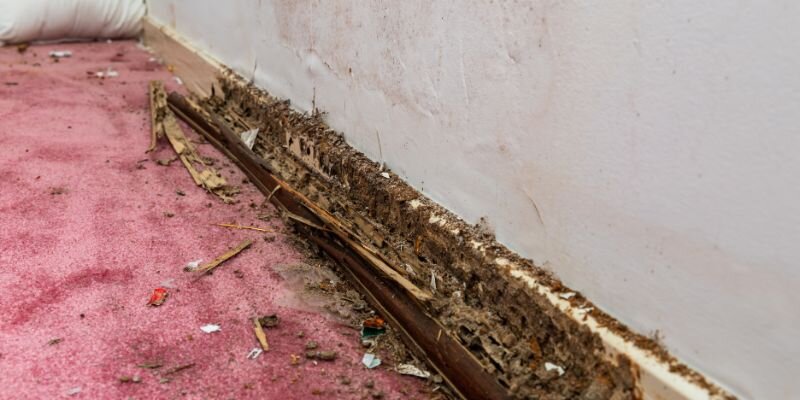
Pull up the average Massachusetts home listing, and somewhere in the fine print, you’ll find a termite inspection clause. Most sellers see it and shrug. Then the pest inspector shows up, finds active eastern subterranean termites in the sill beams, and suddenly a routine closing turns into a negotiation over who pays for what. I’ve been through that sequence more times than I can count. Termites don’t have to sink your sale, but you do need to know how the situation plays out on a Commonwealth purchase and sale agreement before you’re sitting across the table from a buyer’s attorney.
Selling a House with Termites: What Massachusetts Sellers Actually Face

Some sellers push back when they hear they need to sell with this before closing. An objection I hear most often goes something like, “My house has been standing for eighty years; it’s fine.” That attitude is understandable, but Massachusetts real estate contracts don’t care how sturdy the house looks from the street.
Almost every residential real estate contract in Massachusetts includes a termite inspection clause, which obligates the seller to pay up to $1,000.00 for termite treatment if an active infestation or damage is discovered. The cap sounds manageable until you realize the pest control bill can run three or four times higher on a larger colonial or a Cape with a full basement (older homes are especially vulnerable here). The overage becomes a negotiating chip, and if you’re not prepared for that conversation, you can see your net proceeds erode fast.
I worked with the Whitaker family this past fall on a place in Medfield, about 25 miles southwest of Boston. They’d gotten a contractor’s estimate to shore up some floor joists in the kitchen area, and it came back more than the kitchen itself was worth. The pest damage had spread farther along the rim joists than anyone expected. The Whitakers had already accepted an offer. Understanding that the contract cap wouldn’t cover a fraction of the repairs and that the buyer had every right to walk away was what helped them make a clear-eyed decision about their next move (rim joist damage spreads quietly).
Massachusetts is home to the eastern subterranean termite, the most economically costly termite species in the country. These insects travel through the soil and build mud tubes that extend up into foundation walls, floor beams, and subflooring, often operating for years before a homeowner notices anything wrong. Older homes in places like Salem, New Bedford, Springfield, and Cambridge, where wood-frame construction dates back generations, are especially vulnerable, and, in my experience, the damage is often further along than the first inspection suggests.
Do you have to disclose termites when selling a house in Massachusetts?
Are you actually required to inform a buyer about termites, or can you let the inspection clause handle it? Sellers ask this constantly, and the honest answer is it depends on who’s selling and who’s asking.
Massachusetts is one of the few states that still follows the caveat emptor, or “buyer beware,” principle, meaning there isn’t much a home seller is strictly required to disclose on their own initiative. Private sellers don’t have to volunteer information about termites the way sellers in some other states do. The protection is narrower than it sounds.
Even though private sellers aren’t required to disclose termites unless a buyer specifically asks, they must provide that information if a buyer specifically asks. This duty to disclose applies when a buyer inquires about any known defects, past repairs, or repairs that still need to be made.
Real estate agents and brokers face a much stricter standard. Chapter 93A of the Massachusetts Consumer Protection Act requires agents and brokers to voluntarily disclose any fact that might influence a buyer’s decision to purchase the property. So if you tell your listing agent about the mud tubes in the crawl space and they say nothing, that’s a Chapter 93A problem for both of you. A buyer who discovers concealed damage after closing can pursue punitive damages, meaning they could recover two or three times their actual losses in court. Trying to hide a termite problem rarely saves money; it usually costs a lot more, and in my experience, the cover-up is what always unravels a sale.
Can You Sell a House with Termite History in Massachusetts?
Skipping disclosure and hoping a buyer doesn’t notice is where sellers get into real trouble. Fraud, misrepresentation, and breach-of-contract claims all become live possibilities once a buyer can show the seller knew of them.
Having a termite history does not mean your house is unsellable. Properties with treated and documented termite histories sell throughout Massachusetts every week. A house in Quincy or Framingham with a clean treatment record and an active warranty is, in many buyers’ minds, safer than an untreated property where nothing is known about its condition.
According to the National Pest Management Association, termites cause over $6.8 billion in property damage annually across the United States, with most homeowners’ insurance policies excluding termite damage coverage. This number explains why buyers pay attention to pest history and why a disclosed, treated property often fares better than a vague “no known issues” claim (which buyers have learned to distrust).
What actually derails the ale is not the termite history itself. It’s the seller who got caught trying to conceal it. Steep price reductions and walk-aways are what buyers demand when they feel like they’ve been misled. Sellers who come in upfront, with a pest inspection report and a remediation invoice in hand, tend to close the sale. The transparency itself is reassuring.
Selling as-is to a cash buyer is also a legitimate path. Cash buyers, including investors and direct-purchase companies like Ephesus LLC, routinely buy properties with documented pest histories and no expectation of treatment or repair credits. No lender appraisals, no inspector renegotiations. Just an offer based on the property’s current condition.
What Is Your Massachusetts Home Worth After Termite Damage?
A seller with a recent pest history often pictures a number somewhere close to full market value, then gets very different feedback from buyers during the inspection period.
Eastern Massachusetts presents particular challenges because the region’s combination of older wooden homes, coastal moisture, and seasonal temperature swings creates near-ideal conditions for subterranean termites. An affected sill plate or compromised floor joists isn’t just a pest issue; it’s a structural integrity question that lenders and appraisers treat seriously.
When a home inspector flags active termite damage, mortgage lenders typically require remediation before they’ll fund the loan. For homeowners who’d rather avoid lender requirements altogether, cash home buyers in Lynn can purchase properties as-is without requiring termite repairs before closing. This is the point where buyers using financing either renegotiate or exit the contract entirely. Your home’s value after termite damage depends on two factors: the extent of the structural damage and whether you’ve already addressed it. Cosmetic damage is a discount conversation. Structural damage to load-bearing beams is a separate issue.
Median single-family home prices across the Commonwealth have hovered above $600,000 through much of 2025 and into 2026, according to the Massachusetts Association of Realtors. A 5 to 15 percent price reduction to account for unrepaired termite damage can amount to $30,000 to $90,000. That’s the real math sellers need to run before deciding whether to treat and repair first or sell as-is and price accordingly, and I’ve seen sellers skip this step and lose thousands.
Termite Treatment Costs Vs. Seller Concessions in Massachusetts
The warranty your pest control company issued stops at closing unless you’ve specifically arranged a transferable plan in writing, as pest management contracts in Massachusetts rarely transfer automatically to a new owner.
Homeowners in Eastern Massachusetts, from Cape Cod to Quincy, Framingham, and the North Shore, may face ongoing monitoring costs year-round because subterranean termites remain active underground even during winter months.
On the cost side, treatment ranges widely by home size and infestation severity. For a smaller home, termite treatment runs considerably less, while larger homes can push several thousand dollars. Structural wood repairs on top of treatment, such as replacing sill plates, sistering joists, or repairing a damaged subfloor, can cost anywhere from a few hundred dollars to well over $5,000, depending on how far the damage traveled. In my experience, the subfloor repairs are almost always the biggest line item.
The alternative to paying for treatment upfront is offering a buyer concession. A seller credit at closing sidesteps the repair process, but it doesn’t sidestep the loan problem. Homebuyers using a conventional mortgage or an FHA loan typically cannot close on a property with active termites or unrepaired structural damage, regardless of how generous your credit offer is. Cash buyers don’t have that constraint, which is why they’re a realistic option when treatment costs exceed what makes financial sense.
I’ve seen sellers spend more on remediation than they recover at closing. If a contractor quotes $12,000 to replace the rim joists and the buyer is only willing to bump their offer by $8,000 after repairs, doing the work first was the wrong call. Do the math before you write the check, because the gap between repair cost and offer increase is rarely as small as sellers expect.
Termite Treatment Warranties and Remediation Options Massachusetts Buyers Want

If I were sitting across your kitchen table right now, I’d tell you this: a transferable warranty is worth more than the paper it’s printed on, and most sellers never bother to get one.
During contract negotiations, buyers, especially those working with an experienced real estate agent, will ask about active warranties. A multi-year renewable contract from a licensed pest management company in Massachusetts that explicitly transfers to the new owner is what turns a skeptical buyer into a committed one, because it removes the single biggest unknown they’re carrying into closing.
In Massachusetts, pesticide use is overseen by the Massachusetts Department of Agricultural Resources (MDAR), which issues licenses and certifications for pest control specialists. Any pest control company you hire for treatment before a sale should be licensed by MDAR. Buyers’ agents and home inspectors will request that paperwork.
For remediation, the two main approaches for eastern subterranean termites are soil-applied liquid termiticide barriers and bait-station systems placed around the foundation perimeter. Liquid barriers are installed in the soil around the foundation, disrupting termite access from the ground up. Bait systems work more slowly but are less invasive and well-suited for ongoing monitoring (a good fit for a vacant rental). A liquid barrier treatment completed before the pest inspection usually provides a faster and cleaner result for a property in active negotiations.
Getting a pest inspection done before you list, rather than waiting for the buyer to order one, puts you in control of the information. You learn what you’re dealing with, complete remediation, and hand buyers a completed inspection report and treatment certificate, typically from the same company that handles both. That sequence puts you in a far stronger negotiating position than being surprised at the buyer’s inspection stage.
How to Market a Home with Termite History to Massachusetts Buyers
Disclosure handled correctly is your strongest marketing tool. Buyers shopping in Worcester County, where the median sale price has tracked around $350,000 to $400,000, tend to be already comfortable with older housing stock and the maintenance realities that come with it.
Marketing a property with disclosed termite history isn’t about spin. It’s about packaging the story correctly. A listing that says “previously treated for subterranean termites, treatment completed, transferable warranty available” reads differently from one that goes silent on the topic and lets the buyer’s inspector deliver the news mid-negotiation.
Buyers looking at a 1920s artisan in Worcester or a Victorian in Holyoke are not surprised by pest history. They’ve usually toured several similar homes. They’re evaluating whether the seller handled it responsibly. A disclosure paired with a completed pest inspection report, copies of the treatment invoice, and a transferable warranty answers that question before the buyer even asks it.
Online listings with clear documentation of resolved termite issues tend to stay in negotiation rather than blowing up at inspection. Investors and experienced buyers, the kind who frequent markets like Fitchburg, Lowell, and Lawrence, actively scan for properties with known-and-resolved issues because those properties tend to attract fewer competing offers. Disclosure isn’t a liability in those segments; it’s a selling point.
Your real estate agent should include the remediation paperwork in the seller’s packet, not bury it in an email attachment after an offer comes in. Front-loading that information helps filter out buyers who might panic while keeping the ones who actually do their homework.
How to Sell a House with Termite Damage in Massachusetts

A seller in Brockton called me on a Monday because their buyer had just threatened to walk after the pest inspector found damage in the rim joists. By Thursday, they’d decided to skip the repair and work directly with a cash buyer instead. Miguel Coleman was in a similar position: he was managing the sale of his mother’s home in Dedham while coordinating her move into assisted living, and the two-car garage was still packed with forty years of furniture and tools. A Saturday showing revealed termite damage to the garage framing. Miguel didn’t have the capacity to manage a contractor timeline, hold open houses, and care for his mother at the same time, which meant a traditional sale would’ve added stress he simply couldn’t absorb. Selling directly, as-is, to a buyer who would take the property in its current condition was the decision that actually fit his life. If you’re considering the same approach, we buy houses in Massachusetts regardless of termite damage, structural issues, or other repair needs.
That’s one real path. The other is the traditional route: treat the infestation, repair the structural damage, get a transferable warranty, list with a Realtor®, and go through normal market channels. The right choice depends on your timeline, your equity position, and how much project management energy you have left. If you’re weighing your options, Ephesus LLC can help you determine which selling approach makes the most sense for your situation.
If you’re leaning toward a direct sale, Ephesus LLC buys houses across Massachusetts in as-is condition, including properties with active or historical termite issues. No repairs, no pest management required before closing, and no games around termite findings during due diligence.
For sellers who do list on the open market, line up your pest inspection and any remediation before the first showing. Keep that documentation organized and ready to hand over on request. Price the home honestly relative to the condition, and your days on market will likely be quite short. Buyers respond to sellers who’ve done their homework. Sellers who try to negotiate around a termite finding that the inspector surfaced mid-contract rarely get the outcome they hoped for.
Frequently Asked Questions
Is It Hard to Sell a House That Had Termites?
Not necessarily, but it depends on how the situation is handled. A property with a documented and resolved termite history, a completed treatment, and a transferable warranty tends to sell without unusual friction, especially with experienced buyers. What makes it particularly challenging is when sellers are unprepared for the pest inspection findings and the negotiation that follows. Going in with your paperwork organized makes a real difference.
How Many Termites Are Considered an Infestation?
There’s no single threshold that officially defines an infestation, but any confirmed presence of live termites or active mud tubes is considered an active infestation for real estate purposes. Eastern subterranean termite colonies can contain hundreds of thousands of insects and expand across multiple areas of a home’s substructure without obvious visible signs. If your home inspector or pest inspector flags any evidence of activity, lenders and buyers will treat it as an active problem requiring remediation.
Do Realtors Have to Disclose Termites in Massachusetts?
Yes, and the standard for licensed real estate professionals is stricter than for private sellers. Under Chapter 93A of the Massachusetts Consumer Protection Act, agents and brokers must disclose any known material facts that might influence a buyer’s decision, and active or historical termite damage clearly qualifies as such. If your agent knows about the termite issue and says nothing to buyers, both you and your agent face potential legal liability.
Who Is Responsible for the Termite Inspection in Massachusetts?
In Massachusetts, the buyer is responsible for ordering and paying for the termite inspection report. If active infestation or termite damage is found, the buyer submits the report to the seller, who is then legally obligated to pay for treatment and repairs up to $1,000.00. Any costs above that threshold become the buyer’s responsibility unless the seller agrees to cover more.
If you’re sitting with a pest report in hand and you’re not sure which direction makes sense for your situation, check out other frequent questions or reach out to us at Ephesus LLC. We buy houses across Massachusetts, and we’ve worked through every combination of termite history, structural damage, and seller circumstance you can imagine. No pressure, no obligation. Just a straight conversation about what your options actually look like.
Helpful Massachusetts Blog Articles
- How To Sell a House Without A Realtor in Massachusetts
- Selling A Home That Needs Repairs in Massachusetts
- How Long Can Sellers Stay in a Home After Closing in Massachusetts?
- Can an Administrator of an Estate Sell Property in Massachusetts
- Can You Sell a House As Is Without Inspection in Massachusetts?
- Do Open Houses Still Work in Massachusetts?
- Selling a Parent’s Home With Power of Attorney in Massachusetts
- Can You Sell a House With Delinquent Property Taxes in Massachusetts?
- Documents and Paperwork for Selling a House By Owner in Massachusetts
- How to Sell a Hoarder House in Massachusetts
- What is the average cost of selling a home in Massachusetts?
- Who Pays For Home Appraisal And Inspection Costs In Massachusetts
- Selling A House With Termite Damage In Massachusetts
- Massachusetts Earnest Money Rules And Requirements For Home Buyers
- Can You Sell a House With Asbestos in Massachusetts
- Sell House With Water Damage in Massachusetts
- Selling a House With Termites in Massachusetts