
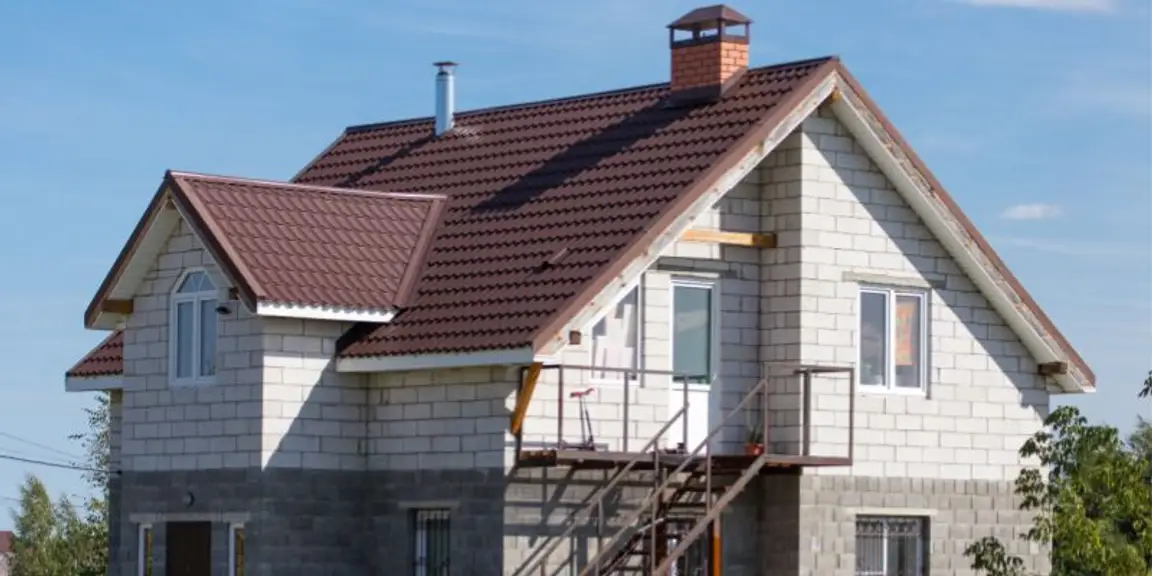

Most homeowners in Massachusetts find out about asbestos at the worst possible moment: right in the middle of a home sale, after a buyer’s inspector flags something in the basement or behind the boiler room walls. Your sale hasn’t fallen apart yet, but the clock is ticking. Take a breath. Selling a house with asbestos in this state is completely doable, and tens of thousands of Massachusetts homeowners have walked this path before you.
What Is Asbestos and Why Is It a Problem?
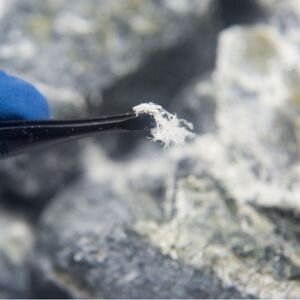
Asbestos is a naturally occurring mineral that construction workers and manufacturers have used for decades because it doesn’t burn, resists corrosion, and withstands heat. Six minerals fall into the asbestos category, but the two you’re most likely to encounter in a New England home are chrysotile and amosite (both show up in surprising places). Builders wove them into pipes, ceiling tiles, flooring, insulation, and roofing products throughout most of the 20th century.
Sitting quietly in your walls, the mineral itself isn’t the problem. Asbestos becomes a health threat when disturbed, crumbled, or broken, releasing microscopic fibers into the air. Breathing those fibers over time can cause serious lung disease, lung cancer, and mesothelioma. This malignant tumor forms in the lining of the lungs or abdomen, and asbestos exposure almost exclusively causes it. Repeated exposure also links other cancers, including ovarian and laryngeal cancers.
A federal rule restricting chrysotile asbestos in new construction passed in March 2026, but that doesn’t do much for the pre-1980 housing stock already standing across Worcester, Lowell, Springfield, and every older neighborhood between them. Those homes were built with this stuff, and they’re still here. Risk isn’t hypothetical; it’s in the bones of Massachusetts real estate.
Where Is Asbestos Most Commonly Found in a Home?
A seller in Somerville called me about a triple-decker she’d inherited. Tuesday morning, her contractor pulled back a section of pipe insulation in the basement and immediately stopped work, which meant the whole renovation was on hold until they completed the testing.
Homes built before 1980 are especially likely to contain asbestos in areas such as pipe insulation, floor tiles, popcorn ceilings, and attic insulation. Those are the usual suspects, but the list doesn’t stop there. Old vinyl flooring from the 1950s and 1960s, the backing on linoleum, textured wall compounds, roofing shingles, asbestos cement siding (common on Cape Cod bungalows and colonial-era homes throughout the South Shore), and even the tape wrapped around HVAC ductwork can all carry asbestos, which means a visual walkthrough of an older home turns up more potential problem spots than most buyers expect.
Heating systems, tiles on basement floors, attic insulation, and exterior siding are all common locations where experienced Massachusetts agents have learned to look first. Garage floors in older properties, particularly those in towns like Quincy, Medford, and Waltham, where working-class housing stock from the 1940s is common, deserve special attention too. My general rule: if a material was installed before 1978 and your gut says something seems off about its texture or condition, treat it as suspect until a professional says otherwise, because I’ve watched sales unravel over materials nobody flagged during the walkthrough.
How to Tell If Your Massachusetts Home Has Asbestos
Sit down across the table from me for a minute, because here’s something sellers hear too late: you cannot identify asbestos by looking at it.
Since asbestos is a fibrous material, you can’t simply look at it and know it’s there. If fibers are released, the health risk increases, so don’t try to handle or sample the material yourself. Age is your first clue. Any Massachusetts home built before 1980 has a real chance of containing asbestos, and the older the home, the greater the exposure.
Experienced real estate agents in older markets, like West Concord or Newton, have learned to read tile patterns. Nine-inch floor tiles in utility rooms and certain tile sizes and designs are often telltale signs that a certified inspector should take a closer look. Do you have a boiler wrapped in what looks like plaster-wrapped tape (I’ve seen this type of installation in nearly every pre-1970 basement)? Popcorn ceilings installed before Reagan took office? Corrugated gray siding? These warrant attention.
In every case, a standard home inspection does not include asbestos testing. Buyers who suspect a problem will order a separate asbestos inspection in addition to the standard one, since home inspections typically don’t test for asbestos. Getting ahead of that yourself, before you list, puts you in a far stronger negotiating position than reacting to someone else’s report (and their inspector’s cost estimate).
Asbestos Testing and Inspection in Massachusetts: What to Expect and What It Costs
For years, I assumed buyers would just walk away from any home whose test results came back positive. That was wrong. What actually derails a sale is uncertainty, not confirmation.
A whole-house asbestos inspection and assessment generally runs between $500 and $2,500, depending on the size of the home and the number of samples that need to be sent to the lab. A smaller targeted inspection, say just the basement and utility room of a Framingham cape, costs less because you’re only paying for the areas that actually concern you. The inspector collects small material samples and sends them to an accredited laboratory for analysis under polarized light microscopy.
Before any abatement work begins, Massachusetts law requires notifying the Department of Environmental Protection (MassDEP) at least ten working days in advance and the Department of Labor Standards (DLS) at least ten calendar days before work starts. The notification requirement trips up sellers regularly, because they assume they can just call a contractor and get started the following week.
Hire your inspector and your abatement contractor separately. Some companies offer both services, and while that can be convenient, an independent inspector provides a cleaner paper trail and eliminates any conflict of interest. In Massachusetts, that independence matters when buyers’ attorneys start asking questions. Bring a real estate lawyer into the conversation early, especially if the asbestos is in a compromised state, because that’s when the liability questions get complicated fast.
Massachusetts Asbestos Disclosure Laws: What Sellers Must Tell Buyers
Those who try to stay quiet about known asbestos are gambling with their financial future, and it’s a gamble they usually lose.
Massachusetts obeys the legal rule of caveat emptor, or “buyer beware,” meaning there isn’t much a home seller is legally required to disclose when selling. But “not required to disclose” and “allowed to hide it” are two completely unique things. Massachusetts law requires sellers to disclose latent defects, meaning problems that wouldn’t be obvious to a buyer but could affect health or safety. If you have a report in a drawer that says your basement pipes are wrapped in asbestos, you are legally obligated to disclose that.
If you’re selling your home in Massachusetts, you’re not legally required to disclose asbestos, but you do have to disclose formaldehyde foam insulation and lead paint. This is the technical letter of the law. Practical reality is different. Around 77% of real estate lawsuits are linked to disclosure issues, and a seller who conceals known asbestos is handing a future buyer a loaded lawsuit.
Under the Massachusetts Clean Air Act, violations of asbestos handling and disposal requirements can result in civil penalties of up to $25,000 per day per violation. Transparency isn’t just ethical here; it’s a sound financial strategy. Disclosing what you know, in writing, to every buyer protects you from claims of misrepresentation long after the sale closes.
Can You Sell a House with Asbestos in Massachusetts?

Does having asbestos mean you’re stuck?
No law in Massachusetts prohibits the sale of a home containing asbestos. The law focuses on disclosure and safe handling. Sellers list asbestos homes every week across Greater Boston, on the Cape, in the Pioneer Valley, and throughout the Merrimack Valley. The mineral’s presence alone doesn’t kill a sale.
The loan type a buyer brings to the table complicates things. As long as you aren’t hiding a known hazard, you can sell the property as-is, but most mortgage lenders, especially for FHA or VA loans, may require damaged asbestos to be repaired or removed before they will fund the loan. A buyer paying cash has no such restriction. A first-time buyer coming in with an FHA loan on your 1960s Brockton split-level may trigger a lender requirement you didn’t anticipate.
On the South Shore of Massachusetts, certified inspectors report encountering asbestos-like materials in roughly 5 to 10 out of every 60 houses they inspect each month. This is not a rare edge case; this is a routine part of buying and selling older New England homes. Just as homeowners may need to navigate Sell House With Water Damage in Massachusetts, asbestos is another issue that buyers expect to encounter and negotiate rather than automatically walk away from. Buyers who’ve been through the process before don’t panic when they see asbestos in a disclosure. They negotiate.
Do You Have to Remove Asbestos Before Selling in Massachusetts?
The per-day fine for improper asbestos handling under state law is substantial, which is a number worth knowing when you’re deciding how seriously to treat this.
If asbestos in your home is not damaged, deteriorated, or crumbling, and a certified inspector deems it in good condition, there are no rules or regulations requiring its removal. Intact asbestos, left undisturbed, presents a low health risk. The obligation to remove it arises when the material is compromised (sanded, cut, or disturbed during renovation).
If the asbestos in your home is damaged, deteriorated, or crumbling, Massachusetts law requires a licensed contractor to remove it. The condition of the material, not simply its presence, drives the legal obligation. A basement with a crumbling pipe wrapped around a 1958 boiler is a different situation than a utility room with intact nine-inch floor tiles.
Are you wondering whether your specific situation falls into the “must remove” category? A certified asbestos inspector must provide that answer, not a real estate agent guessing during a walkthrough. Get the inspection done before you list, so you’re negotiating from a position of knowledge rather than reacting under pressure (and buyers can tell the difference).
Asbestos Removal Vs. Encapsulation: Which Option Is Right for You?
Complete removal sounds like the logical path; you pay to rip it out, and the problem disappears. The math on that breaks down faster than sellers expect it to.
Options for abatement include encapsulation or removal; encapsulation involves applying a special coating to bind the fibers together, commonly done in ductwork, and costs about $2 to $6 per square foot. For intact floor tiles that haven’t crumbled, encapsulation or simply covering them with new flooring may be exactly the right call. Encapsulation typically costs 15 to 25 percent less than full asbestos removal, which is worth remembering when you’re getting an offer, and the numbers start to feel overwhelming.
Removal makes sense when the material is friable (meaning it crumbles easily under pressure), when a buyer’s lender is requiring it, or when you’re planning renovations that would disturb the material anyway. Encapsulation works for intact, stable materials that won’t be touched. A licensed inspector tells you which path applies; your gut feeling and your contractor’s preference should both take a back seat to that professional assessment.
One thing that never makes sense: DIY. Most asbestos experts agree that a layperson should not attempt to fix, patch, or seal asbestos themselves. While no federal law prohibits homeowners from removing asbestos themselves, states may have regulations that prohibit self-removal. Massachusetts is one of them.
Asbestos Remediation Costs and Who Is Responsible in Massachusetts
A seller in the Grafton area approached me last fall about a 1972 ranch-style home. She’d already gotten three contractor quotes for the pipe insulation in her utility room, which tells you how seriously sellers take this step when they’re motivated to close. The quotes varied by nearly $4,000 between the lowest and highest offer.
That spread is normal and important to understand. Asbestos removal in Boston averages $2,277, with a typical range of $1,267 to $3,384. Those numbers apply to targeted, single-area projects. Whole-home remediation is a different equation: full residential remediation can run $7,725 or more. Exterior asbestos work, like removing asbestos cement siding, costs considerably more per square foot than interior projects, which is where I’ve seen budgets get away from sellers fast.
Who pays? Responsibility for remediation costs is usually negotiable and may be handled by the seller, the buyer, or a price adjustment or credit. Sellers who complete remediation before listing gain control of the narrative and can present a clean inspection certificate to every buyer. Sellers who prefer not to spend money up front can price accordingly and offer a credit at closing. Neither approach is wrong; your timeline, budget, and buyer pool (especially cash buyers) determine which fits best.
Currently, no landfills in Massachusetts accept asbestos material, so disposal costs may be higher due to the distance to surrounding states. Factor that into any contractor quote you receive, and ask specifically whether disposal fees are included.
How to Negotiate a Fair Sale Price When Your Home Has Asbestos
Some sellers worry that disclosing asbestos means accepting a lowball offer with no room to push back. That concern misunderstands how most real estate negotiations actually work.
Asbestos is a line item, not a death sentence for your sale price. Buyers and their agents understand that remediation costs fall within a known range. The 2026 median sale price for a Massachusetts home was $629,177, and most asbestos projects represent a fraction of one percent of that number at the targeted level. An informed seller walks into negotiation with real remediation quotes in hand and uses those numbers, not guesses, as the basis for any price adjustment or credit discussion (quotes I always pull before listing).
Be sure to get at least three quotes from licensed contractors before you list. That paperwork serves two purposes: it shows buyers you’ve done your homework, and it gives your real estate agent or lawyer a concrete number to defend during negotiations. Buyers will sometimes use asbestos as leverage to demand reductions far beyond the cost of remediation. Having those quotes in hand shuts that down fast. If you’d rather avoid extended negotiations, working with cash home buyers in Peabody can be another option for selling an asbestos-affected property as-is.
A skilled real estate lawyer is worth every dollar in these negotiations. Massachusetts law governs what must be disclosed, what can be negotiated, and how agreements need to be documented. Don’t rely solely on your agent’s general experience; get legal counsel to review your disclosure documents and any negotiated remediation agreements before you sign.
Your Options for Selling a Massachusetts Home with Asbestos
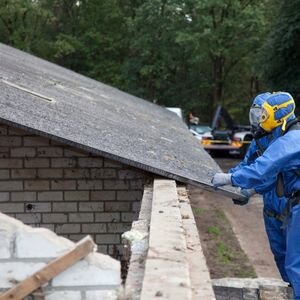
Sellers who pick the wrong path for their situation end up stuck with a listing that sits, price reductions that still don’t produce offers, and a timeline that stretches well past what their life demands.
The Robinson family inherited a three-bedroom colonial in Needham last month, packed with thirty years of belongings. Three siblings, three different opinions on what to do with the place, and asbestos floor tiles in the finished basement made for a complicated situation. By Saturday, they’d agreed: a traditional listing with an agent who specialized in as-is sales wasn’t going to work for them. They needed a clean exit. We walked through the property, assessed the asbestos situation and everything else, and gave them a cash offer they could all say yes to without a single weekend of cleanup.
Your options, laid out plainly:
Traditional listing with an agent. Works well if the asbestos is in good condition, you have time for the process, and your buyer pool includes conventional mortgage buyers. Strategic marketing matters here; buyers who’ve purchased older homes before won’t be spooked, but you want to reach them specifically with your marketing.
Remediate first, then list. Spending money up front on professional asbestos abatement can eliminate a major objection before it ever comes up. Post-abatement, you receive a clearance certificate that serves as a sales tool.
Sell as-is to a cash buyer. This option is the right fit when remediation costs are high, your timeline is tight, or the property’s condition makes a traditional listing complicated. If you’re looking for an alternative to a traditional listing, we buy Massachusetts homes in as-is condition, including properties with asbestos and other repair issues.
Cash buyers don’t have lender requirements about asbestos; they price the remediation into their offer, and closings happen in weeks, not months. If you’re wondering how Ephesus LLC buys homes, understanding the process can help you decide whether a cash sale is the right fit for your situation.
Tom Mitchell had a 1965 ranch in Haverhill with asbestos pipe wrap throughout the basement and an old oil tank that needed to be addressed. His garage was full of forty years of tools and parts he’d never gotten around to sorting. Two agent listings expired over eight months, both times with buyers backing out after inspections.
If your property has asbestos and a traditional sale feels like it’s creating more problems than it’s solving, Ephesus LLC buys Massachusetts homes in any condition, including those with asbestos, without requiring you to remediate first. No lender conditions, no inspection contingencies, dragging out your closing.
Frequently Asked Questions
Is It Hard to Sell a House with Asbestos?
It’s not automatically difficult, but it does add a layer to the process that you need to prepare for. Buyers who use conventional or FHA financing may face lender requirements around damaged asbestos, and some buyers simply aren’t comfortable with it, regardless of condition. Pricing your home to reflect the remediation cost, or handling the abatement before you list, usually keeps a sale on track. Cash buyers make the process much simpler since they don’t have lender-imposed conditions.
Do Realtors Have to Disclose Asbestos in Massachusetts?
Massachusetts law requires sellers to disclose latent defects they’re aware of, and a known asbestos issue that could affect health or safety falls into that category. Your real estate agent has their professional and legal obligations around disclosure as well, and a good agent will insist you document what you know rather than leave it undisclosed. Hiding it creates far more risk for everyone than simply stating it upfront in your disclosure paperwork.
Can I Remove Asbestos Myself in Massachusetts?
No. Massachusetts prohibits unlicensed asbestos removal and requires advance notification to both MassDEP and the Department of Labor Standards before any abatement work begins. Beyond the legal issue, the health risk of disturbing asbestos without proper containment equipment and training is serious. Microscopic fibers released during improper removal can cause long-term lung disease and cancer. Always hire a contractor licensed by the Massachusetts Department of Labor Standards.
What Is the 3-5-7 Rule for Asbestos Sampling?
The 3-5-7 rule is a sampling guideline used by inspectors to determine how many bulk samples to collect from a homogeneous material area. For small areas under 1,000 square feet, at least 3 samples are taken. For areas between 1,000 and 5,000 square feet, at least 5 samples are required. Areas over 5,000 square feet require a minimum of 7 samples. Following this protocol gives inspectors statistically reliable results and helps satisfy state and EPA documentation requirements during a sale or remediation project.
If you have an asbestos-containing home in Massachusetts and aren’t sure what your next step should be, reach out to Ephesus LLC. We’ve bought properties with asbestos all across the state, from the North Shore to the South Shore and everywhere in between. No pressure, no obligation, just a straight conversation about what your home is worth and what your options are.
Helpful Massachusetts Blog Articles
- How To Sell a House Without A Realtor in Massachusetts
- Selling A Home That Needs Repairs in Massachusetts
- How Long Can Sellers Stay in a Home After Closing in Massachusetts?
- Can an Administrator of an Estate Sell Property in Massachusetts
- Can You Sell a House As Is Without Inspection in Massachusetts?
- Do Open Houses Still Work in Massachusetts?
- Selling a Parent’s Home With Power of Attorney in Massachusetts
- Can You Sell a House With Delinquent Property Taxes in Massachusetts?
- Documents and Paperwork for Selling a House By Owner in Massachusetts
- How to Sell a Hoarder House in Massachusetts
- What is the average cost of selling a home in Massachusetts?
- Who Pays For Home Appraisal And Inspection Costs In Massachusetts
- Selling A House With Termite Damage In Massachusetts
- Massachusetts Earnest Money Rules And Requirements For Home Buyers
- Can You Sell a House With Asbestos in Massachusetts
- Sell House With Water Damage in Massachusetts
- Selling a House With Termites in Massachusetts