
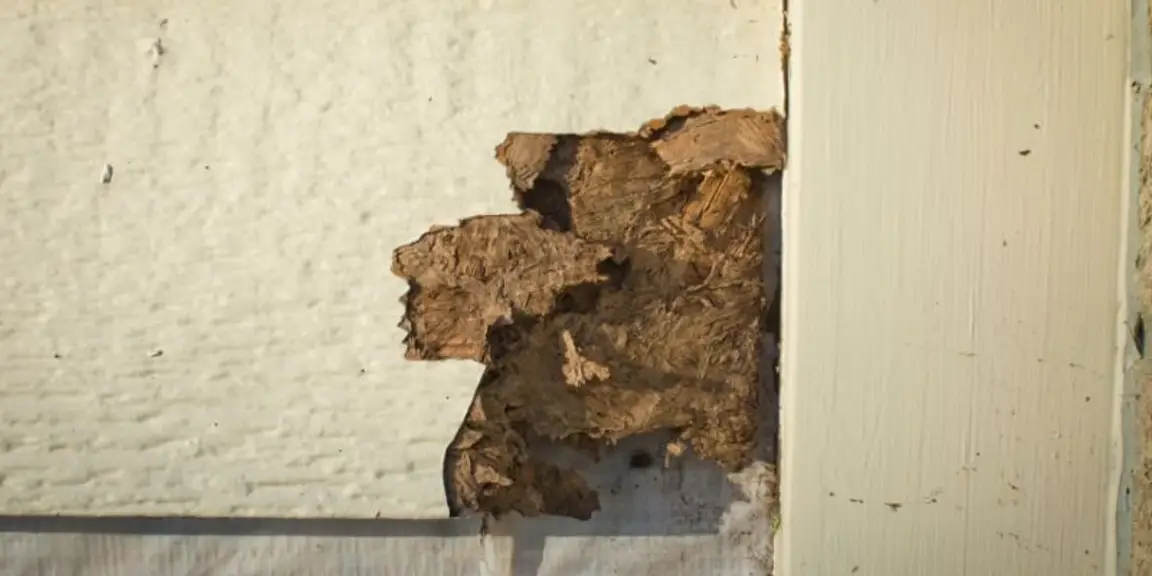
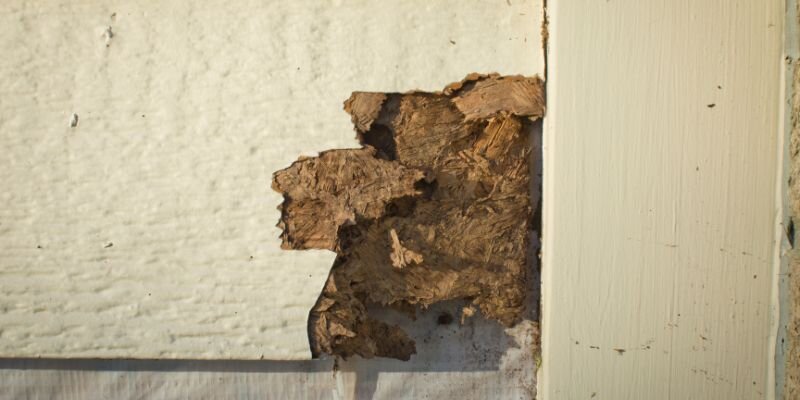
Selling a house with termite damage in Massachusetts could seem daunting, but there are more possibilities than you would think. With the appropriate technique and experienced help, you don’t have to let termite problems hinder your sale or damage your gains.
Understanding Termite Damage When Selling Your Massachusetts Home

Termite infestations are a particular problem for homes in Massachusetts. Termites cause more than $6.8 billion in property damage in the United States each year, according to the National Pest Management Association. Homes with prior termite damage have an average property value that is 20 percent lower. But the truth is, most agents won’t tell you termite damage isn’t a guaranteed sale-killer.
Homeowners in Quincy, Worcester, and Springfield have effectively handled termite problems. The trick is not to hide the problem. It’s knowing your alternatives and making sensible choices regarding disclosure, treatment, and timing.
Every termite problem is unique. Sometimes you’re working on small damage to one beam. Other times, you’re dealing with significant structural failure. The severity does not define your fate. It dictates your strategy.
Massachusetts Termite Species Identification and Damage Patterns
Massachusetts only has one species of termite, the eastern subterranean termite. But this is the most economically devastating type of termite in the US. The most prevalent termite in Massachusetts is the eastern subterranean termite (Reticulitermes flavipes).
Eastern subterranean termites cause characteristic damage patterns. They devour the inside of the wood, leaving a thin shell that seems undamaged from the outside. Termites consume wood from the inside out; an infestation is typically not discovered until a lot of damage has been done. This might take years to discover.
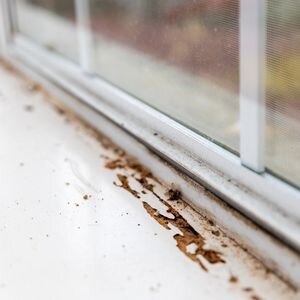
These termites need wetness for survival. Termites need water for their existence, and their thin exoskeletons make them particularly susceptible to desiccation. They build mud tubes from the soil to your house to provide shelter and the humid conditions they need. Check for pencil-thin mud tubes flowing up foundation walls, especially in basements and crawl spaces.
Damage often starts at ground level and goes up. Basement support beams, sill plates, and floor joists are attractive targets. A single-family home can have as many as four termite colonies, each colony containing as many as a million termites.
Massachusetts Climate Factors That Contribute to Termite Infestations
Massachusetts’ climate is ideal for subterranean termites. They need moisture, which our humid summers supply, and entry sites, which our freeze-thaw cycles provide in the form of foundation fractures.
Spring is especially challenging. That’s when the “swarmers” come out to build new colonies. Now is also when swarmers emerge to create new termite colonies in vulnerable areas, so property owners should focus on preventative maintenance, according to the National Pest Management Association (NPMA).
And Cape Cod and the North Shore are facing some additional issues. Moisture rises around foundations because of salt air. Houses near wetlands or rivers or in locations where drainage is poor are more likely to be at risk.
Termites don’t die in winter. They just go deeper below or back into warm buildings. That requires vigilance year-round, especially in older Massachusetts homes with stone foundations, such as those found in towns like Concord, Lexington, and Salem.
Pre-sale Termite Prevention Strategies for Massachusetts Homeowners
Prevention is always better than cure. If you are expecting to sell in the next several years, following actions will save you thousands and eliminate disclosure issues.
Begin with moisture control. Fix leaking pipes, increase airflow in basements and crawl spaces, and ensure appropriate drainage around your foundation. If you have beds of mulch, leave a space between the mulch and your home’s foundation.
Termites love wood to soil contact. It is best to store your firewood on a platform off the ground and away from the exterior of your home. Remove any old stumps, construction waste, and any wood contacting your foundation.
Seal cracks in the foundation right away. Even the tiniest fissure in your foundation, such as in a basement wall or concrete slab, can be an entry point, allowing termites easy access to start harming your home’s structure.
Regular checks uncover problems early. Homeowners in this geographic area should get their property inspected for termites at least once or twice per year.
Finding Qualified Termite Inspectors in Massachusetts Before Listing
Not all inspectors are the same. You need someone licensed by the Massachusetts Department of Agricultural Resources for wood-damaging insects.
Look for inspectors who are qualified by the National Pest Management Association. They should file detailed written reports with images and pinpoint locations of damage. If they tell you what they have found, don’t see anyone who insists on rapid treatment.
If you have a large infestation, get several viewpoints. I’ve seen examples where one inspector said there was ‘severe damage’ and another said there were small, easily fixed problems. The difference in repair prices can be tens of thousands of dollars.
Industry sources said the cities at highest risk were Agawam, Attleboro, Barnstable Town, Beverly, Boston, Brockton, Cambridge, Chelsea, Chicopee, Easthampton, Everett, Fall River, Fitchburg, Franklin, Gardner, Gloucester, Haverhill, Holyoke, Lawrence, Leominster, Lowell, Lynn, Malden, Marlborough, Medford, Melrose, Methuen, New Bedford, Newburyport, Newton, North Adams, Northampton, Peabody, Pittsfield, Quincy, Revere, Salem, Somerville, Springfield, Taunton, Waltham, and Watertown. If you live in one of these high-risk regions, opt for inspectors with specific local experience.
Massachusetts Termite Inspection Requirements for Home Sales
Termite inspections are not required for all house sales in Massachusetts, although most lenders and buyers do request them. FHA, VA, and USDA loans usually demand wood-destroying insect inspections.
In most situations, the inspection must be completed within 90 days following closure. Some lenders want 30 days. Look at your purchase agreement and loan criteria early so you don’t end up scrambling at the last minute.
Massachusetts inspectors fill out standard papers showing current infestations, damage, and conducive conditions. They will see mud tubes, broken timber, and spots needing treatment.
If we find termites, you will require a clearance letter following treatment. This verifies that the infection has been eradicated and any damage has been rectified to code.
Professional Termite Treatment Options Available in Massachusetts
There are a variety of therapy options in Massachusetts. Chemical treatments apply termiticides to the soil around a home’s foundation. This creates a barrier that stops termites from getting inside the property. Termiticides work by either repelling or killing the termites on contact.
Another possibility is the use of baiting systems. Baiting methods are used to achieve targeted termite removal. This strategy involves strategically putting bait stations around the home perimeter. These stations have poisoned bait to draw termites.
Liquid treatments form a chemical barrier around your foundation. They work, but you have to trench all the way around the perimeter. This might be a challenge in tight Massachusetts neighborhoods where lot lines are close to each other.
Spot treatments are good for isolated infestations. Less invasive, but may not penetrate the entire colony. Your inspector will tell you what the proper treatment is for the severity of the infestation and its location.
Timeline for Termite Treatment Before Selling Massachusetts Real Estate
When you treat the infestation, it affects your sales strategy. Active infestations need rapid action, but you have options in the process.
Liquid treatments normally require 1 to 2 days to apply and 30 to 60 days to get full effectiveness. Baiting systems are slower and can take 3-6 months to destroy entire colonies.
If you need to sell quickly, investigate organizations like Ephesus LLC that will buy your home as-is. They will manage your termite issues after closing, so you won’t need to worry about the timing of your treatment. If you’re wondering how we can help, reviewing the process can give you a better understanding of what to expect.
For traditional sales, treat before listing. This will allow you time to make modifications and receive clearance letters. Buyers are more comfortable buying homes with fixed termite infestations, not ongoing ones.
Winter treatments take longer to work because termites are less active. If you’re selling during the chilly months, plan accordingly.
Structural Engineering Assessments for Termite-Damaged Massachusetts Properties

Serious termite damage demands a structural engineering assessment. Depending on the severity of the problem, repairs for termites can cost several hundred to several thousand dollars, and in extreme circumstances, may require a total restoration or rebuilding.
Engineers check the load capacity and safety. They decide if the damaged beams, joists, or supports need to be replaced or reinforced. Their reports are important for buyer confidence and permit applications.
I have seen occasions where a homeowner thinks the foundation needs to be completely replaced, but the engineer finds that the damage is only cosmetic. Sometimes what looks like minor damage turns out to need extensive structural work.
Some types of damage require designed repairs per Massachusetts building rules. If your inspector suggests this step, don’t omit it. An engineering assessment is relatively inexpensive compared with potential liability risks.
Massachusetts Building Codes and Termite Damage Repair Standards
Massachusetts has tight construction requirements for repairs of termite damage. All structural repairs need permits and inspections. That will protect you legally and ensure the quality of the work.
Damaged sill plates, support beams, and floor joists must be replaced with steel or pressure-treated lumber. Repairs shall restore or improve the original load-bearing capacity.
Other municipalities have additional criteria. Boston, Cambridge, and other towns may require special treatment techniques or materials. Ask local building departments before making repairs.
Resale value is influenced by code compliance. Properly permitted and inspected repairs really build confidence with the buyer. Unpermitted work causes disclosure concerns and probable legal trouble.
Cost Analysis of Termite Repair vs Selling As-is in Massachusetts
Let’s talk numbers. The median single-family home price reached a record high in Massachusetts in 2026, up 7.9 percent year over year to $615,000. The cost of termite damage in Massachusetts depends on how bad the infestation is and what part of the house is damaged. Repairing termite damage can cost you hundreds or even thousands of dollars.
Small damage could be repairs of $2,000-$5,000. Major structural damage runs $15,000–$30,000 and more. Compare the expenditures with the worth of your home and the time frame you plan to sell it.
Selling as-is will lower your repair costs but also your sale price. You should expect to get 10-20% less than market value, depending on how bad the damage is. That’s $60,000 to $120,000 below full market value for a $600,000 house.
Sometimes it just makes sense to sell it as-is. If you want to sell fast, can’t afford repairs, or have a lot of damage, cash buyers such as Ephesus LLC are a good alternative to typical sales. Homeowners researching companies that we buy houses in Dedham often choose this route to avoid costly repairs and lengthy listing timelines.
Do the math both ways and see what you get. Consider repair expenses, carrying costs throughout treatment, and possible reductions in pricing. And the math typically shocks homeowners.
Legal Disclosure Obligations for Termite Damage in Massachusetts Home Sales
Massachusetts demands disclosure of substantial faults that are known. Termite damage is a material issue that could affect property value and buyer decisions.
Must disclose present infestations, prior damage, and treatment history. The Massachusetts Property Condition Disclosure Form asks specifically about wood-destroying insects.
Failure to disclose can lead to lawsuits, cancellation of the sale, or damages for the amount of repair costs plus legal fees. “I’ve seen deals fall apart months after closing because of unreported termite problems.
Actually, honest transparency helps sales. They want clarity and will buy generally with the right expectations.” Upfront honesty is much better than hidden difficulties.
Documentation Required for Termite Damage History in Massachusetts Sales
Good documentation protects you and puts purchasers at ease. Keep a record of all inspections, treatments, and repairs. This generates a paper trail demonstrating responsible ownership.
Keep a treatment record that includes firm name, date, product utilized, and warranty information. Many treatments come with transferable warranties, which offer value to consumers.
Permits, inspection certificates, and contractor licenses are required for repair work. Engineers’ reports and structural assessments are part of your property history.
Before & After Photos Tell Your Story. They illustrate how much damage was originally done and how good the repairs are. A picture in hand is often enough to convince a skeptical buyer.
How Termite Damage Affects Property Values in the Massachusetts Real Estate Market
Termite damage impacts values differently across Massachusetts markets. The median sale price of a home in Boston was $849K over the last 3 months, up 1.1% since the same period last year. In high-demand areas like Greater Boston, properly treated termite damage has minimal long-term impact.
Rural markets are less forgiving. Buyers have more options and less urgency, making them pickier about property conditions. Gateway cities like Springfield, Worcester, and Lowell fall somewhere in between.
Recent treatment with warranties actually adds value in some cases. It shows the problem has been professionally addressed and won’t recur under warranty terms.
Untreated active infestations can reduce values by 15-25% or more. The uncertainty factor scares buyers more than the actual damage in many cases.
Real Estate Agent Selection for Termite-Damaged Property Sales
Not every agent handles termite issues well. You need someone experienced with disclosure requirements, repair negotiations, and buyer education.
Look for agents who’ve sold homes with termite damage before. They understand the process, know qualified contractors, and can guide you through treatment decisions.
Avoid agents who recommend hiding problems or minimizing damage. This creates legal liability and often backfires during inspections.
Good agents help you position termite issues in a positive light. They emphasize professional treatment, warranties, and the fact that many Massachusetts homes face similar challenges.
Negotiating Home Sale Prices After Termite Damage Discovery
Termite discoveries during inspections don’t automatically kill the sale. Experienced negotiation can save your sale and protect your proceeds.
Buyers often overreact to termite findings. They may demand extensive credits or repairs beyond what’s actually needed. Your agent should counter with professional assessments and reasonable solutions.
Offer multiple options: you handle repairs, provide credits for buyer-managed repairs, or adjust the sale price. Flexibility keeps sale moving forward.
Consider splitting costs for major treatments. This shows good faith while limiting your financial exposure. Many buyers accept shared responsibility for maintenance issues in older homes. Understanding Massachusetts Earnest Money Rules And Requirements For Home Buyers can also help you evaluate how repair negotiations may affect your financial obligations throughout the transaction.
Cash Buyers vs Traditional Buyers for Termite-Damaged Massachusetts Homes
Traditional buyers face financing hurdles with termite damage. Lenders may require treatment completion and clearance letters before closing. This extends timelines and adds uncertainty.
They buy homes in their current condition and handle termite issues after closing. This approach significantly accelerates the process.
Investor buyers often view termite damage as manageable. They have contractor relationships and experience with repairs. Their offers may be higher than expected because they understand true repair costs.
Consider your priorities: maximum price or quick, certain closing. Sometimes the speed and certainty of cash sales outweigh the price difference.
Financing Challenges for Buyers of Termite-Damaged Massachusetts Homes
Conventional loans require termite clearance letters before closing. This means completed treatment and any necessary repairs. Buyers can’t close with active infestations.
FHA and VA loans have strict requirements for wood-destroying insect damage. They may require additional inspections and engineering assessments for structural damage.
Some lenders allow treatment during the loan process if funds are escrowed. This lets sales proceed while ensuring treatment completion.
Pre-approval doesn’t guarantee final approval with termite issues. Underwriters may add conditions or require additional documentation after damage discovery.
Insurance Coverage for Termite Damage in Massachusetts Properties
Here’s what nobody mentions: homeowner’s insurance doesn’t cover termite damage. Termites cost U.S. property owners more than $5 billion in damage repair and pest control each year. More often than not, MA home insurance and commercial property insurance exclude termite infestations, meaning if you don’t practice careful maintenance, you’ll have to pay for a solution all on your own.
Some policies cover damage from termite treatment, like wall repairs needed to access infested areas. But the actual termite damage and treatment costs come out of your pocket.
Termite warranties from treatment companies provide some protection. They typically cover retreatment costs and, under warranty terms, sometimes repair costs if termites return.
Consider this when budgeting for termite issues. You’re responsible for all costs unless you have specific termite coverage, which is rare and expensive. For some homeowners facing significant repair expenses, the decision to sell your home for cash in Massachusetts becomes a practical alternative to investing more money into the property.
Understanding your insurance coverage helps you make informed decisions about treatment timing and sale strategies. Don’t assume you’re covered without checking your policy details.
Working with homeowners facing termite issues, I always emphasize that knowledge is power. Understanding your options, local requirements, and market conditions helps you make smart decisions about treatment, repairs, and sale timing.
Massachusetts’ strong real estate market means termite damage doesn’t have to derail your sale. Whether you choose traditional listing with repairs, as-is sales to cash buyers, or something in between, there’s a path forward that protects your interests.
The key is acting quickly, getting professional assessments, and working with experienced professionals who understand both termite issues and Massachusetts real estate law.
Frequently Asked Questions
How Hard Is It to Sell a House with Termite Damage?
Selling a house with termite damage in Massachusetts isn’t impossible, but it requires the right strategy. If you treat the infestation and complete the necessary repairs before listing, many buyers will proceed as planned. For quicker sales, cash buyers like Ephesus LLC purchase homes as-is, handling termite issues after closing. The key is honest disclosure and professional documentation of any treatment or repairs.
How Long Are You Liable After Selling a House in Massachusetts?
In Massachusetts, you’re liable for undisclosed material defects that you knew about before the sale. There’s no specific time limit, but most claims arise within 2-3 years of the closing date. Proper disclosure of termite damage and treatment history protects you from future liability. Keep all documentation, including inspection reports, treatment records, and repair permits, to defend against potential claims.
Which Smell Do Termites Hate?
Termites dislike certain essential oils, including peppermint, clove, and orange oil, but these aren’t reliable prevention methods for Massachusetts homes. Professional treatment with termiticides is the only effective long-term solution. Don’t rely on home remedies while preparing to sell, as buyers and inspectors will look for professional treatment documentation rather than DIY approaches.
What Not to Fix Before Selling a House?
Don’t attempt DIY termite treatments or structural repairs yourself before selling. These require professional expertise and proper permits in Massachusetts. Furthermore, avoid cosmetic repairs that hide termite damage, as this creates disclosure issues. Focus on professional treatment and documented repairs rather than quick fixes that might backfire during buyer inspections.
If you’re dealing with termite damage and need to explore your options, we’re here to help. Ephesus LLC has experience with all types of property conditions across Massachusetts. No pressure, no obligation, just honest advice about your situation and what makes sense for your timeline and goals. Reach out to us to discuss your property and learn about the options available to you.
Helpful Massachusetts Blog Articles
- How To Sell a House Without A Realtor in Massachusetts
- Selling A Home That Needs Repairs in Massachusetts
- How Long Can Sellers Stay in a Home After Closing in Massachusetts?
- Can an Administrator of an Estate Sell Property in Massachusetts
- Can You Sell a House As Is Without Inspection in Massachusetts?
- Do Open Houses Still Work in Massachusetts?
- Selling a Parent’s Home With Power of Attorney in Massachusetts
- Can You Sell a House With Delinquent Property Taxes in Massachusetts?
- Documents and Paperwork for Selling a House By Owner in Massachusetts
- How to Sell a Hoarder House in Massachusetts
- What is the average cost of selling a home in Massachusetts?
- Who Pays For Home Appraisal And Inspection Costs In Massachusetts
- Selling A House With Termite Damage In Massachusetts
- Massachusetts Earnest Money Rules And Requirements For Home Buyers
- Can You Sell a House With Asbestos in Massachusetts
- Sell House With Water Damage in Massachusetts
- Selling a House With Termites in Massachusetts