
![Selling house with foundation issues [market_city]](https://image-cdn.carrot.com/eyJidWNrZXQiOiJwcm9kdWN0aW9uLmNhcnJvdC11cGxvYWRzLm9uY2Fycm90LmNvbSIsImtleSI6InVwbG9hZHMvc2l0ZXMvMTg4NDAvMjAyNi8wNS9TZWxsaW5nLWhvdXNlLXdpdGgtZm91bmRhdGlvbi1pc3N1ZXMucG5nIiwiZWRpdHMiOnsicmVzaXplIjp7IndpZHRoIjoxMTUyfSwidG9Gb3JtYXQiOiJ3ZWJwIiwid2VicCI6eyJxdWFsaXR5Ijo3MH19fQ==)
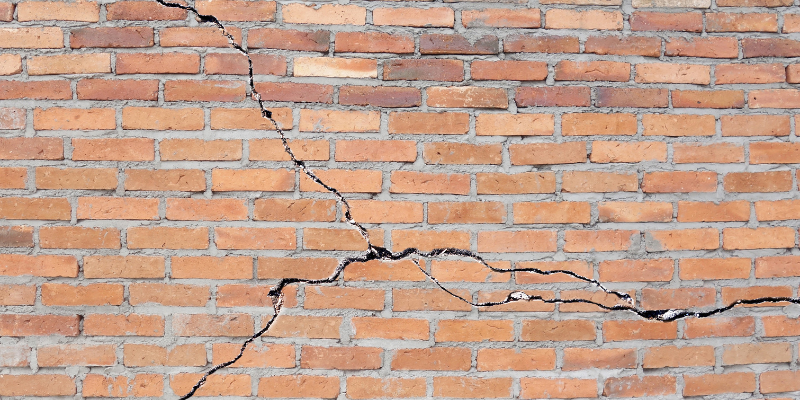
You’re staring at those cracks in your basement wall again. They weren’t there last year. Or maybe they were smaller. Either way, they’re not going anywhere, and neither are the questions racing through your mind.
I’ve been buying houses in Massachusetts for over fifteen years, and I can tell you straight up: foundation problems don’t have to mean financial disaster. They’re scary, sure. But they’re not the end of the world. I’ve helped hundreds of homeowners navigate exactly this situation, from Newton and Cambridge to Quincy, Salem and the towns up the North Shore.
The truth is, the median single-family home price in Massachusetts hit $645,000 in April 2026, up 2.4% from a year earlier. Even with foundation issues, your property has value. You just need to understand your options and make smart decisions.
Foundation Issues for Selling Massachusetts Real Estate: Complete Guide

Foundation problems in Massachusetts aren’t just about settling or normal wear and tear. We’re dealing with something much more serious. Some homeowners in Massachusetts with poured concrete foundations are experiencing serious, expensive problems as they learn their foundations were poured with a stone mixture containing pyrrhotite. This mineral, which expands when it comes into contact with water and air, causes severe foundation damage, making full replacement the only solution.
Here’s what nobody mentions: a 2019 state commission report counted more than 20,000 homes in the highest-risk zone of central and western Massachusetts that may be affected by pyrrhotite alone. That’s just one type of foundation problem. Add in regular settlement issues, mold and water damage, and structural concerns, and you’re looking at thousands of homes across the Commonwealth facing foundation challenges.
Massachusetts soil conditions make foundation problems particularly tricky. Our clay-heavy soil expands and contracts with changes in moisture. Rocky areas create uneven settling. Winter frost heave pushes against foundation walls. It’s not your fault that your foundation has problems. It’s Massachusetts.
But here’s the thing: buyers know this too. Smart buyers, anyway. They understand that foundation issues come with the territory in New England. That doesn’t mean they’ll pay full market price, but it doesn’t mean your house is worthless either.
Foundation Settlement Issues in Massachusetts Clay and Rocky Soil Conditions
Massachusetts geology creates unique challenges for home foundations. Our soil composition varies dramatically across the state. In the Connecticut River Valley, you’ll find heavy clay soils that expand when wet and shrink when dry. The Berkshires feature rocky, uneven terrain that can lead to differential settling. Coastal areas are characterized by shifting sandy soils.
Clay soil is particularly problematic. When moisture levels change, clay expands and contracts. This constant movement puts pressure on foundation walls, creating cracks and structural issues. I’ve seen homes in Waltham and Framingham where clay soil movement caused significant foundation damage over just a few years.
Rocky soil presents different challenges. Uneven bedrock can cause one part of your foundation to settle while another remains stable. This differential settling creates stress fractures and can lead to major structural problems. The Berkshire region is especially prone to this type of foundation issue.
Essential Foundation Inspection Checklist for Massachusetts Home Sellers
Before listing your home, it is important to do a DIY inspection of your foundation to understand what listing your home entails. During the inspection, be sure to keep the following inspection factors in mind:
The inspection should start with the exterior of your home. Take a walk around to see what the cracks in your home’s foundation walls look like. Generally, cracks that look like hairlines are a normal byproduct of the home settling. Multiple horizontal and stepped cracks in block foundations, as well as cracks exceeding a quarter inch in width, require further assessment. Issues with the foundation may also be evidenced by water damage, deposits of crystalline minerals resulting from efflorescence, or other signs of shifting.
When it comes to your home’s foundation, issues may not be that obvious. Doors and windows that stick or fail to close properly are often signs of foundation shifts. Likewise, cracks in exterior walls or around window or door frames can indicate that the foundation is shifting. Check also for spaces between the exterior and siding, and the steps of the house foundation.
Now move inside and check your interior walls for cracks, ideally in the corners and around the frames of doors and windows. Are doors that used to latch cleanly now sticking or swinging open on their own? Are windows that once slid easily now stiff or jammed? In older homes, foundation settling can often cause newly formed uneven floors.
Take photos to document everything. Use a ruler to measure the width of all cracks and document where you found them. This record could prove valuable for selling the property as-is or making repairs. Showing the record as-is will also prove that you were transparent to prospective buyers.
Before you even list your property, consider hiring an inspector. A decent inspector turns up costly problems you may not know about, from an aging HVAC system to faulty wiring or roof damage. Better you find those now than have a buyer’s inspector find them once the house is under contract. Knowing what is wrong up front lets you price the house right and keeps the sale from unravelling late.
Massachusetts Structural Engineer Reports for Foundation Damage Documentation
When foundation problems are significant, you’ll need professional documentation. A structural engineer’s report provides a credible, detailed analysis of your foundation’s condition. This report becomes crucial whether you’re repairing the foundation or selling as-is.
In Massachusetts, a structural engineer’s report must be prepared by a Massachusetts-licensed engineer. The engineer should be familiar with regional soil conditions and building codes. The report must include a detailed description of the foundation’s existing issues, their causes, and possible ways to resolve them.
The cost of a structural engineer report ranges from $800 to $2,000. The cost of the report is largely dependent on the complexity of the issues. Although this cost may seem high, it is often further required for insurance purposes, to finalize a repair estimate, or to finish negotiations with a buyer.
A good report from a structural engineer should include the following. Crack patterns should be drawn, recorded, and assessed. The overall structural integrity of the building should be assessed, and assistance should be provided to address the structural issues. Lastly, the overall picture should be assessed to understand the urgency of the issues.
In the case of pyrrhotite, the engineer may recommend a core test. A core test is when a core sample of the foundation is taken. The sample is sent to a lab, which tests it to determine if it contains pyrrhotite. This test may be more than a few thousand dollars, and the process as a whole may take weeks.
Providing professional documentation has many benefits. The documentation provides the necessary information to negotiate with a buyer. The report is used to estimate repair costs more accurately. Lastly, the report is necessary to finalize insurance claims. A report also protects you if a buyer sues later, because it shows the property was properly assessed before the sale.
Massachusetts Home Foundation Problems: Legal Disclosure Requirements
Massachusetts follows a “buyer beware” approach to real estate disclosures, but that doesn’t mean you can hide foundation problems. Massachusetts is one of the few states that still follows a legal rule known as caveat emptor, or “buyer beware.” This basically means there isn’t much a home seller is legally required to disclose to a buyer. The burden is on the homebuyer to ask the right questions and conduct a home inspection to determine the property’s physical condition, features, and so forth.
However, you cannot make false statements or actively conceal known problems. If the prospective buyer (or buyer’s agent) asks you (or your agent) specific questions about the condition of the property, or if you volunteer certain information about the property, you are required to disclose the truth, or at least any facts that a reasonable person would rely on in deciding to purchase a home.
The new Massachusetts home inspection law adds another layer of disclosure requirements. Before or at the signing of the first purchase contract (either the offer to purchase or the purchase and sale agreement), the seller or agent must provide a separate written disclosure affirming the buyer’s right to a home inspection. Both the buyer and the seller must sign the form, which guarantees the buyer a reasonable opportunity to obtain and review a home inspection and to withdraw from the sale based on its results.
For foundation problems specifically, you must be truthful if asked directly. If you know about foundation issues and a buyer asks about the condition of the foundation, you must disclose what you know. Lying or concealing known problems can result in lawsuits and financial liability.
The safest approach is proactive disclosure. Include known foundation issues in your listing description or provide a written disclosure to potential buyers. This transparency actually helps your sale by attracting buyers who understand the situation rather than those who will be surprised and potentially walk away after inspection.
How Foundation Damage Affects Property Values in Massachusetts Markets

Foundation problems always affect property values, but by how much depends on the location, severity of the issue, and the market. The Massachusetts median single-family price held at $600,000 in March 2026, level with March 2025. Prices have flattened rather than fallen, so even a house with problems still sits on real value.
Minor foundation issues will typically decrease property value by 5-15%. These issues consist of smaller settlement cracks, less significant water infiltration, and/or cosmetic foundation issues. Sellers in a strong market may attract a desirable buyer despite a minor issue. This is because buyers are more likely to overlook minor issues.
Moderate foundation issues typically reduce property value by 15-30%. These issues may include significant structural movement, larger cracks, and water infiltration that require professional repair. Sellers often need to offer price reductions to address issues. This is because buyers will demand that repairs be made to the home.
There are severe foundation issues that can even decrease property values by 50% or more. An example of this type of severe foundation issue is pyrrhotite contamination. One of the first houses I looked at with a crumbling concrete foundation and confirmed pyrrhotite sold for roughly half its asking price. In severe cases, homes will become almost unsellable to the majority of the real estate market.
The main thing is to understand your individual circumstances. A structural engineer assessment, alongside your local market knowledge, allows you to quantify the effect, if any, that the foundation issues would have on the property’s value and its marketability.
Pre-sale Foundation Repair Costs and ROI Analysis in Massachusetts
Foundation repair costs in Massachusetts vary widely depending on the type and severity of the problems. Understanding these costs helps you decide whether to repair before selling or sell as-is.
Minor foundation repairs typically cost $1,000 to $5,000. This includes sealing small cracks, improving drainage, or addressing minor water infiltration. These repairs often provide a good return on investment because they eliminate buyer concerns about foundation problems.
Moderate foundation repairs range from $5,000 to $25,000. This includes underpinning sections of foundation, major crack repair, or waterproofing systems. The ROI on these repairs depends on your local market and the severity of the problems.
Major foundation repairs can cost $25,000 to $100,000 or more. This includes full foundation replacement, extensive underpinning, or addressing severe structural problems. For pyrrhotite damage, replacing the foundation runs closer to $200,000, because the house has to be lifted off the old one first. Massachusetts reimburses core testing, not the replacement itself.
The ROI analysis isn’t straightforward. Spending $50,000 on foundation repairs doesn’t necessarily increase your home value by $50,000. You need to weigh your local market, what buyers there expect, and how long the work keeps you off the market. Ask whether the repair fixes the cause or only hides the symptom. Crews often find more damage once they open things up.
Repairing Vs. Selling As-is: Foundation Problem Solutions in Massachusetts
This is the big decision every homeowner with foundation problems faces. Do you invest in repairs and try to get full market value, or do you sell as-is and move on with your life?
The repair route makes sense when:
- Foundation problems are minor and repair costs are reasonable
- You have time to finish the work and still want to live in the area
- Local buyers strongly favor move-in ready homes
- You can absorb repair costs that run over budget
- The repair solves the problem permanently
Selling as-is makes sense when:
- Repair costs are substantial relative to your home’s value
- You need to sell quickly because of a job move, financial pressure or a life change
- You do not want the stress and uncertainty of major repairs
- Foundation problems are severe and will need ongoing maintenance
- You are worried about what else turns up once repairs start
For pyrrhotite issues specifically, selling as-is is often the only practical option. There is no way to “fix” a foundation with pyrrhotite damage. The entire thing must be replaced, a costly and time-consuming endeavor that involves raising the house off its foundation so the damaged one can be removed and a new foundation can be poured.
The as-is market in Massachusetts is more robust than many homeowners realize. Investors, flippers, and companies that specialize in problem properties are actively buying homes with foundation issues, including cash home buyers in Medford. These buyers understand repair costs and can close quickly without financing contingencies.
Cash buyers like Ephesus LLC evaluate foundation problems professionally and make offers based on the property’s value after accounting for necessary repairs. They buy houses as-is in Massachusetts. While you won’t get full market value, you avoid repair costs, time delays, and the risk of additional problems.
The decision ultimately comes down to your specific situation, financial resources, and timeline. There’s no universally right answer, but understanding your options helps you make the best choice for your circumstances.
Basement Waterproofing and Foundation Repair Options for Massachusetts Sellers
Water infiltration often accompanies foundation problems in Massachusetts. Our wet springs, heavy winter snow, and clay soils create challenging conditions for basement waterproofing. Understanding your options helps you decide how to address these issues before selling.
Interior waterproofing is the most common approach for minor water problems. This includes sealing basement walls, installing interior drainage systems, and adding sump pumps. Costs typically range from $3,000 to $15,000, depending on basement size and the extent of work needed.
Exterior waterproofing provides more comprehensive protection but costs significantly more. This involves excavating around your foundation, waterproofing the exterior walls, and installing proper drainage systems. Costs range from $15,000 to $50,000 or more.
French drains and exterior drainage improvements can solve many water infiltration problems without major foundation work. Proper grading, gutter improvements, and drainage systems often cost $5,000 to $15,000 but can eliminate basement water problems.
For homes with both foundation damage and water problems, the repair approach becomes more complex. Water infiltration can worsen foundation damage, while foundation repairs may not solve water problems. A comprehensive approach addressing both issues is often necessary.
The ROI on waterproofing depends on your local market and the severity of water problems. In Massachusetts, where basement water issues are common, buyers expect basements to be dry. Addressing water problems can significantly improve your home’s marketability.
However, waterproofing doesn’t always solve foundation problems. If your foundation has structural damage, waterproofing alone won’t address the underlying issues. In most cases, you need to prioritize structural repairs over waterproofing.
Marketing Strategies for Massachusetts Homes with Known Foundation Issues
Selling a home with foundation problems requires a different marketing approach. Transparency and proper positioning can attract the right buyers while avoiding wasted time with those who can’t handle the issues.
Price your home appropriately from the start. Overpricing a home with foundation problems leads to extended market time and eventual price reductions that signal desperation. Work with a knowledgeable agent to price your home based on comparable sales of similar properties with foundation issues.
Disclose foundation problems in your listing description. Use language like “home needs foundation work” or “priced to reflect foundation issues.” This transparency attracts buyers who understand the situation rather than those who will be surprised during inspection.
Provide documentation upfront. Include structural engineer reports, repair estimates, and any other relevant documentation in your listing materials. This demonstrates transparency and helps serious buyers understand the scope of issues.
Target the right buyers. Investors, contractors, and buyers looking for projects are more likely to consider homes with foundation problems. Your marketing should reach these audiences rather than focus on traditional homebuyers seeking move-in-ready properties.
Consider alternative selling methods. Traditional MLS listings work for some foundation problem homes. Still, you might also consider auction sales that attract investors, direct marketing to local investors and contractors, cash buyer companies that specialize in problem properties, or “We buy houses” services that can close quickly.
Photography and staging require special consideration. Focus on your home’s positive features while being honest about problems. Don’t try to hide foundation issues, but don’t make them the focal point of your marketing.
Work with agents experienced in problem properties. Not all real estate agents understand how to market homes with foundation issues. Find an agent who has successfully sold similar properties and understands the unique challenges involved.
Negotiating Sale Price Reductions for Foundation Problems in Massachusetts

When selling a home with structural issues, negotiations are usually centered on price changes rather than home repairs. With the following suggestions, you can better navigate these negotiations and attain the most beneficial sale.
Always come prepared. Bring documents such as repair estimates, structural engineer reports, and sales data for comparable properties. Buyers are likely to accept your price if they understand you’ve done your homework.
Understand your buyer’s motivation. Cash investors want a home that they can remodel and then sell for a profit. Owner-occupants, on the other hand, can be interested in a home with a foundation that needs work as long as that is reflected in the price.
You need to be somewhat realistic about buyer repair estimates. Buyers often come in with inflated repair numbers to push the price down. Counter with a written bid from a licensed contractor of your own. Do not swing the other way and lowball the real cost either, because that tends to blow up the sale later.
Instead of repairs, offer to put credits in place. Rather than doing the groundwork for foundation changes, provide closing credits that enable the buyer to make the changes and fit the needs as the buyer sees them.
Do not open with your worst number. Start from what the documented repair estimates support, then hold that line when the damage is well evidenced.
Understand that negotiations will likely go multiple rounds. Interested buyers often want to get their own estimates and perhaps even inspections of the property. Overall, be patient with the process for the best outcome.
Know your walk-away number. Set the lowest price you will accept before negotiations start, and write it down. That number keeps the decision steady when the back and forth drags on.
Cash Buyers vs. Traditional Sales for Foundation-damaged Massachusetts Homes
If you have foundation issues and are deciding whether to sell to cash buyers or list competitively, you face major choices about your selling experience. While each option has unique pros and cons, they can help you choose the option that’s best for you.
Cash buyers have lots of pros. Selling your home can close in as little as 2 to 3 weeks. Cash buyers won’t ask you to fix things to get the house financed. Cash buyers can and will buy a home in bad condition. They usually know what repairs a house like yours will need, how much it will cost, and how to get them done. They won’t complicate the sale further and will skip many of the steps a traditional sale includes.
The downside of cash offers is that you will get lower offers. Cash buyers have to make a profit, so they have to estimate how much repairs will cost, how much they will lose by holding the home, and how much money they will need to make. For most homes with major foundation issues, cash offers are around 60 to 80 percent of what the home will sell for after the repairs.
Selling your home through a traditional MLS sale can yield a higher sale price, but it comes with even greater challenges. The home will take substantially longer to sell. It is unlikely that your foundation problems will remain undiscovered, and most buyers won’t buy the home without an inspection, which will likely prompt them to ask for a lower price, substantially increasing your selling costs. The higher costs, including your selling costs, commissions, and foundation repair costs, won’t guarantee you will sell the home either.
Nationally, all-cash buyers accounted for 25% of home sales in May 2026, according to the National Association of Realtors. Cash buyers are a real part of the market, which gives sellers with foundation problems somewhere to go.
The best choice depends on your specific situation. Choose cash buyers if you need to sell quickly, want certainty of closing, or have severe foundation problems that make traditional financing difficult. Companies like Ephesus LLC specialize in these situations and can provide fair offers based on a professional evaluation of your property’s condition. They help homeowners in Somerville and nearby cities sell their houses fast for cash.
Choose traditional sales if you have time to market properly, foundation problems are minor, or your local market has strong demand that might overcome foundation concerns.
Many sellers benefit from exploring both options simultaneously. Get cash offers to establish your baseline, then test the traditional market to see if you can achieve better results. This approach gives you maximum flexibility and information to make the best decision.
Frequently Asked Questions
What Are the Worst Months for Selling a House with Foundation Problems?
Spring is typically the most challenging time to sell homes with foundation problems because winter damage becomes most apparent as ice melts and water infiltration issues surface. Late fall can also be difficult, because buyers worry the coming winter will make existing problems worse. Summer and early fall generally provide the best conditions for marketing homes with foundation issues.
How Hard Is It to Sell a House with Foundation Issues in Massachusetts?
Selling a house with foundation issues in Massachusetts is definitely more challenging than selling a problem-free home, but it’s not impossible. The difficulty depends largely on the severity of the problems and your approach to the sale. Minor foundation issues may only slightly affect marketability, while severe problems such as pyrrhotite contamination can make traditional sales very difficult and often require cash buyers or significant price reductions.
What Is the Problem with Concrete Foundations in Massachusetts?
Pyrrhotite is a major concern with concrete foundations in Massachusetts. This has caused many homes built between 1983 and 2015 to suffer. Pyrrhotite, when exposed to water and air, expands and causes concrete to crack and fail. On top of that, Massachusetts’ freeze-thaw cycles, high clay content, and wet weather can cause foundations to fail in various ways, including cracking, settling, and leaking.
What Is the Most Common Reason a Property Fails to Sell in Massachusetts?
While foundation problems can certainly prevent sales, the most common reason properties fail to sell in Massachusetts is overpricing for current market conditions. However, significant foundation issues, especially when not properly disclosed or priced accordingly, rank among the top reasons for failed sales. Properties with undisclosed foundation problems often fall through during the inspection period when buyers discover issues they weren’t prepared to handle.
Your Next Step With A Foundation-Damaged Massachusetts Home
Look, I’ll be straight with you. Foundation problems are never fun to deal with. But they don’t have to derail your life or your financial future. I’ve seen homeowners stress themselves into paralysis over foundation issues that had workable solutions.
Whether you choose to repair, sell as-is, or work with a cash buyer like Ephesus LLC, the key is making an informed decision based on your specific situation. Don’t let fear or uncertainty keep you stuck in a house that’s causing you stress. Contact us at (617) 340-6527 today!
If you want to talk through your options, we’re here. No pressure, no obligation. Just honest advice from someone who’s helped hundreds of Massachusetts homeowners navigate exactly where you are right now.
Helpful Massachusetts Blog Articles
- How To Sell a House Without A Realtor in Massachusetts
- Selling A Home That Needs Repairs in Massachusetts
- Can You Sell a House with Tenants in Massachusetts
- How To Sell A House in Probate in Massachusetts
- Capital Gains Tax After Selling A House in Massachusetts
- Selling A House To A Family Member in Massachusetts
- Can You Sell Your House With A Quitclaim Deed in Massachusetts
- How Does Selling A House with A Mortgage Work in Massachusetts
- Can the Seller Back Out of a Contract in Massachusetts
- Who Pays the HOA Fees at Closing in Massachusetts
- How to Sell a Condemned House in Massachusetts
- Should I Remodel My Kitchen Before Selling in Massachusetts
- Can I Sell My House Below Market Value in Massachusetts
- Who Pays Taxes When Selling a House in Massachusetts
- How Long Can Sellers Stay in a Home After Closing in Massachusetts?
- How to Sell a House with Mold Issues in Massachusetts
- Selling A House With Foundation Problems In Massachusetts
- Selling Your Massachusetts Home With A Lien