
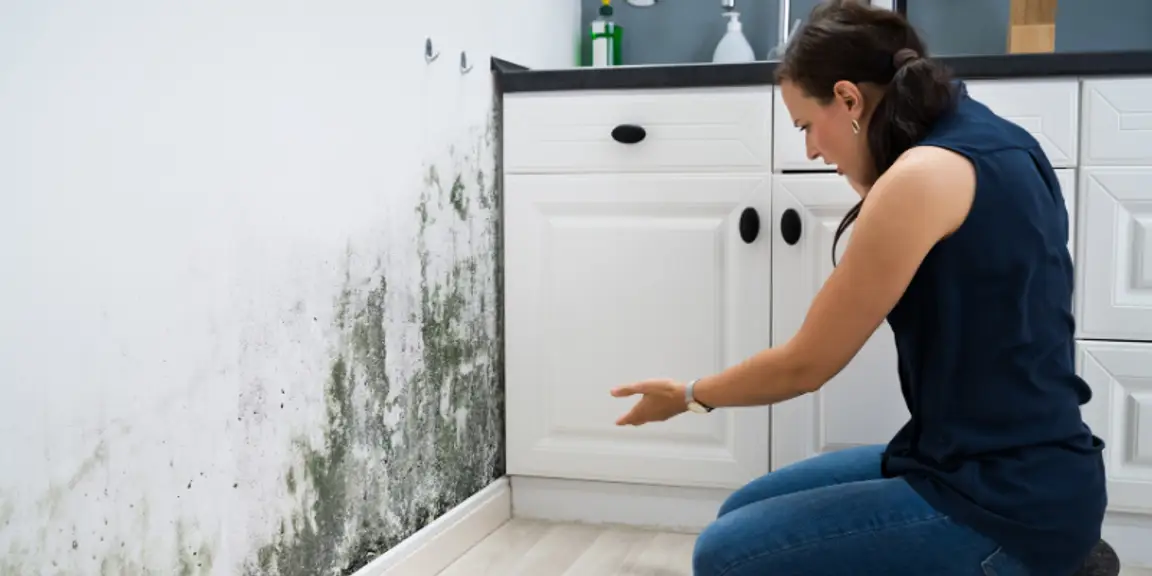
Looking at a musty smell in your Cambridge basement, or finding dark spots behind your Somerville kitchen cabinets? You’re not alone. Mold issues affect thousands of Massachusetts homeowners every year, and they can turn your home sale from smooth sailing into a real nightmare if you’re not prepared.
I’ve been buying houses across the Bay State for over a decade, from the North Shore down to the Cape. I’ve seen it all, from minor bathroom mold that buyers barely notice to whole-house infestations that send potential purchasers running. Here’s what I’ve learned about selling a house with mold problems in Massachusetts, and how you can protect yourself legally while getting a fair price.
Massachusetts Climate Factors Contributing to Residential Mold Growth

Our New England weather creates the perfect storm for mold problems. Between the humid summers and wet winters, Massachusetts homes face constant moisture challenges. In Boston, high summer humidity and wet, rainy winters create the perfect environment for mold infestations in homes.
I’ve noticed patterns over the years in my home-buying here. Worcester-area properties often experience basement issues during spring snowmelt. Cape Cod homes deal with salt air moisture that seeps into everything. And don’t get me started on those old triple-deckers in Lowell: the original builders never imagined today’s humidity levels.
The problem isn’t just seasonal moisture. Many Bay State homes were built before modern ventilation standards. Those charming 1920s colonials in Newton? Beautiful character, but they often lack proper bathroom fans or kitchen ventilation. Add in our tendency to seal up tight for energy efficiency, and you’ve got trapped moisture with nowhere to go.
Pre-sale Mold Prevention Tips for Massachusetts Homeowners
Prevention beats remediation every time. Trust me on this. I’ve bought houses where owners spent $15,000 on mold removal, only to have it return six months later because they never fixed the root cause.
Start with moisture control. Check your basement after every heavy rain. Look for water stains on foundation walls or that telltale musty smell. Install a dehumidifier and hold basement humidity below 50%, the level where mold stops finding what it needs.
Ventilation matters more than most people realize. Run bathroom fans during showers and for 30 minutes after. Same with kitchen exhaust fans while cooking. I’ve seen beautiful homes in Brookline with mold problems simply because owners never used their ventilation systems.
Fix leaks immediately. That slow drip under the kitchen sink isn’t just annoying: it’s creating perfect mold conditions. A slow drip today could mean $5,000 tomorrow. I’ve seen minor plumbing issues turn into major mold remediation projects.
Check your gutters and downspouts. Water should flow away from your foundation, not pool against it. Those old brick colonials in Cambridge are particularly vulnerable if water sits against the foundation walls.
Massachusetts Home Inspection Process: Identifying Hidden Mold Problems
Home inspections in Massachusetts typically include visual mold checks, but they’re not comprehensive mold inspections. Most inspectors will note visible mold or conditions that promote mold growth, but they won’t tear into walls or test air quality.
I always recommend a separate mold inspection if you suspect problems. Mold inspection costs range from $300 to $1,000. Mold testing is key to determining whether mold is present in your home and the extent of the infestation. You’ll need to hire a mold inspector to test surface samples in your home before moving forward with remediation.
Professional inspectors use moisture meters, infrared cameras, and air sampling equipment. They can detect mold behind walls or in HVAC systems that you’d never spot during a casual walkthrough. The investment is worth it: I’ve seen sales fall apart when buyers discovered extensive hidden mold during their inspection.
Look for these warning signs yourself: musty odors, water stains, warped flooring, or peeling paint. In older Massachusetts homes, check around windows, in basements, and near plumbing fixtures. Those areas are mold magnets.
But remember, what you can see is often just the tip of the iceberg.
Mold Testing and Disclosure Rules for Massachusetts Sellers
Here’s where things get interesting. Massachusetts doesn’t require sellers to test for mold before listing their homes. We’re what’s called a “caveat emptor” (buyer beware) state for private sellers.
Private, individual sellers of residential properties in Massachusetts DO NOT have to voluntarily disclose defects like mold infestation, termites, or water leaks.
But (and this is crucial) if a buyer asks directly about mold, you must answer honestly. And if an inspector finds visible signs of mold, buyers can question whether the seller tried to hide it.
Cost-effective Mold Remediation Strategies for Massachusetts Homeowners
Let’s talk numbers. Around Boston, mold remediation runs $2,454 per project on average, a little above the national average of $2,368. Most homeowners here pay between $1,381 and $3,563.
But costs vary dramatically based on scope and location. Bigger jobs run well past that average, depending on the size of the affected area, type of mold, and severity of the damage. For whole-house remediation, costs can reach $20,000 to $30,000 in extreme cases.
Here’s my cost-saving strategy: address small problems immediately. Areas up to 10 square feet, such as a bathroom corner or under a sink, typically cost the least. This includes containment, removal, and cleanup. A $500 bathroom fix today prevents a $5,000 whole-house problem tomorrow.
For larger issues, get multiple quotes. Prices can vary significantly between contractors. I’ve seen quotes for the same job range from $3,000 to $12,000. The cheapest isn’t always best, but neither is the most expensive.
Consider the timing of remediation. If you’re planning to sell, sometimes it makes sense to sell as-is to a cash buyer rather than spend thousands on remediation. That is the kind of sale our team at Ephesus LLC takes on every week, and it can save you both time and money.
Documentation Requirements for Mold Remediation in Massachusetts Home Sales
Proper documentation protects you legally and builds buyer confidence. I’ve seen transactions saved by good paperwork and destroyed by poor record-keeping.
Start with the initial assessment report. This should detail the scope of mold problems, the sources of moisture, and recommended remediation steps. Professional assessments carry more weight than DIY evaluations.
Document all remediation work. Provide invoices, test results, and warranties from any mold-related work. Include contractor licenses, insurance certificates, and any warranties on completed work.
Take photos before, during, and after. Visual documentation helps buyers understand the scope of work completed. I recommend having a professional photographer document major remediation projects.
Get post-remediation testing. This proves the work was successful and that mold levels have returned to acceptable levels. Ask your contractor up front whether they hand over a post-remediation report, and whether they can point you to an independent indoor environmental professional who will verify the work.
Keep everything organized in a comprehensive file. Buyers and their agents appreciate transparency, and good documentation can actually increase your home’s value by proving problems were addressed professionally.
How Mold Issues Affect Property Values in Massachusetts Housing Market

Mold can seriously impact your home’s value, but the extent depends on several factors. Visible evidence of mold or past mold problems can lower a home’s value by up to 40%. That’s a significant hit in our expensive Massachusetts market.
The Massachusetts median single-family price reached $630,000 in March 2026, so a 40% reduction would cost you $252,000 on an average home. Even a 10% reduction means losing $63,000 in value.
But here’s the thing: properly remediated mold problems don’t have to tank your value. I’ve seen homes with documented, professional mold remediation sell at full market value. The key is transparency and professional documentation.
Location matters too. A minor mold issue in a hot market like Cambridge might barely affect value, while the same problem in a slower market could be devastating. I’ve bought homes in both situations, and owners who need to sell a house fast in Cambridge often call us before they ever list.
Timing is crucial. Homes in Boston receive 3 offers on average and sell in around 26 days, according to Redfin’s August 2026 figures, up from 25 days a year earlier. If mold issues significantly extend your time on market, you might face additional price pressure.
Massachusetts Real Estate Disclosure Laws for Mold Contamination
Massachusetts disclosure laws are more nuanced than many sellers realize. While we don’t require automatic mold disclosure, the legal landscape has some important details.
Once a buyer asks, Massachusetts law requires you to answer honestly and disclose any known mold issues. Staying quiet when nobody asks is allowed. Giving a false answer, or papering over what you already know, can result in legal consequences and financial liabilities.
The “known defects” standard is key. If you discover mold during pre-listing preparations, you now have knowledge that must be disclosed if asked. If a buyer has done their due diligence, conducted a property inspection, and questions you about mold, Massachusetts law requires the following in terms of disclosure: Fully disclose details of any known defects, including mold, to the buyer.
Negotiating Price Reductions for Mold Issues in Massachusetts Home Sales
Mold negotiations can get tricky, but I’ve developed strategies that work for both buyers and sellers. The key is understanding what buyers really fear and addressing those concerns directly.
Most buyers aren’t afraid of mold itself: they’re afraid of unknown costs and health risks. Professional documentation eliminates the unknown factor. When I’m helping sellers, I always recommend getting remediation estimates even if you’re not planning to do the work. This gives buyers concrete numbers instead of scary unknowns.
Price reductions typically range from the cost of remediation plus a discount for inconvenience. If professional remediation costs $5,000, buyers might ask for $8,000 to $10,000 off the purchase price. That’s actually reasonable: they’re taking on the hassle and risk of managing the work.
Sometimes, remediation credits work better than price reductions. Buyers get the work done to their standards, and you avoid the hassle of managing contractors. Just make sure the credits are held in escrow until work is completed.
Consider selling as-is to avoid negotiations entirely. This is what we do at Ephesus LLC all day. You might get a lower price, but you avoid remediation costs, extended marketing time, and negotiation stress.
Selling As-is Properties with Mold Damage in Massachusetts Real Estate
Selling as-is eliminates many mold-related complications, but it requires the right approach and realistic expectations about pricing.
Mold remediation can cost thousands of dollars, so selling a moldy home as-is to cash home buyers is a solid alternative. This strategy works particularly well when remediation costs exceed 10-15% of your home’s value.
As-is sales still require disclosure. But it’s essential to follow disclosure laws to keep things transparent and honest with potential home buyers. You’re not hiding problems: you’re being upfront about selling without making repairs.
Cash buyers are your best bet for as-is sales. They have experience with mold issues and realistic expectations about costs. Traditional buyers using financing often can’t or won’t purchase homes with significant mold problems.
Price expectations need to be realistic. Expect offers of 20-40% below market value, depending on the severity of mold issues. But remember: you’re avoiding remediation costs, carrying costs during extended marketing, and negotiation hassles.
Fast Cash Home Buyers for Mold-damaged Properties in Massachusetts
The cash buyer market in Massachusetts is busy, with several companies focused on problem properties. I have been on both sides of these sales, so here is what actually works.
Cash buyers like mold-damaged properties because they understand the remediation process and have contractor relationships. They can accurately estimate costs and move quickly without financing contingencies.
At Ephesus LLC we handle these sales ourselves. We buy houses in any condition and can often close within two weeks. This speed eliminates the stress of managing showings while dealing with mold problems.
What makes that work is the fix-and-flip business model. A buyer who plans to repair the house anyway treats mold, fire, and water damage as a discount rather than a reason to walk.
When evaluating cash buyer offers, consider total costs, not just purchase price. Factor in avoided remediation costs, carrying costs, and transaction fees. A cash offer that’s 25% below market might net you more than a traditional sale after all expenses.
Massachusetts Real Estate Attorney Guidance for Mold-related Disputes
A real estate attorney earns their fee fast when mold is part of the sale. Massachusetts closings run through attorneys anyway, so you already have one at the table. Bring the mold up early rather than after an inspection turns it up.
Your attorney drafts the disclosure language that protects you and still meets the legal requirement. Mold usually needs a clause of its own, because the standard purchase contract does not cover it well.
A good one keeps a dispute out of court, steps into the negotiation when it stalls, and works out who pays for the remediation, whether that lands as a price change or a later closing date.
If the mold is extensive, have your legal representative review the language before you sign anything. They will walk you through the documentation to keep, where your liability actually sits, and how much you have to say in your disclosures.
One short conversation with a real estate attorney about what you have to disclose costs far less than untangling a claim after closing.
Work with an attorney who handles environmental issues alongside real estate. A general practice attorney can miss the parts of mold disclosure that matter most.
Selling a House with Mold Problems in Massachusetts: Complete Guide
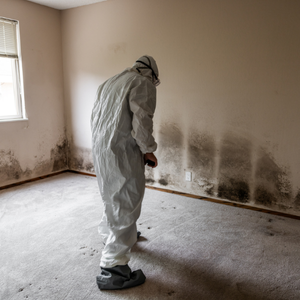
Putting it all together, here’s my complete approach to selling a house with mold problems in Massachusetts:
Step 1: Professional Assessment. Get a comprehensive mold inspection before listing. This costs $300 to $1,000 but provides crucial information for decision-making. Document everything thoroughly.
Step 2: Evaluate Options. Compare the costs of professional remediation versus the as-is sale. Remediation runs about $2,454 on average around Boston, as noted above. That number climbs quickly once the problem spreads or rot has reached framing and subfloor.
Step 3: Choose Your Path. Either remediate professionally with full documentation, or pursue an as-is sale to appropriate buyers. Both strategies can work: it depends on your situation and timeline.
Step 4: Proper Disclosure. Regardless of your approach, follow Massachusetts disclosure requirements carefully. Transparency protects you legally and builds buyer confidence.
Step 5: Price Appropriately. Set realistic expectations based on market conditions and mold severity. Overpricing leads to extended marketing time and additional carrying costs.
Step 6: Work with Professionals. Use experienced real estate agents, attorneys, and remediation contractors. Their expertise prevents costly mistakes and smooths transactions.
The Massachusetts market is still competitive, especially close to Boston, where well-priced homes move quickly. That demand works in your favor even when mold is part of the picture.
Remember, mold problems don’t have to derail your sale. With proper planning, professional guidance, and realistic expectations, you can successfully sell your Massachusetts home and move forward with confidence.
Frequently Asked Questions
Do You Have to Disclose Mold Remediation When Selling a House in Massachusetts?
Yes, if you know of any prior mold issues or remediation work, you must disclose this information when directly asked by potential buyers. Massachusetts follows a “buyer beware” approach, but sellers cannot lie or conceal known defects when questioned. It’s actually beneficial to proactively share remediation documentation as it shows you’ve addressed problems professionally.
How Much Mold Can Affect Selling a House?
Visible mold or past mold problems can reduce your home’s value by up to 40%, according to industry estimates. However, professionally remediated mold with proper documentation typically has much less impact on value. The key factors are the extent of the problem, the quality of remediation work, and how transparent you are in handling disclosure with potential buyers.
What Not to Fix Before Selling a House?
Don’t attempt DIY mold remediation on areas larger than 10 square feet: this often makes problems worse and raises liability concerns. Also, avoid cosmetic fixes that hide mold problems, like painting over stained areas or using odor-masking products. These tactics can backfire during inspections and create legal issues if buyers later discover concealed problems.
Can You Sue for Exposure to Black Mold?
Yes, a buyer can sue, though the grounds matter. A private seller who simply said nothing stands on firmer ground than one who answered a direct question falsely, because fraud and misrepresentation claims turn on what you actually said. The Chapter 93A consumer protection law, the one that allows double or triple damages, generally reaches businesses and real estate professionals rather than private individual sellers. Honest answers and good records are still your best protection.
If you’re dealing with mold issues and need to sell quickly, we’re here to help. I’ve been buying houses with all kinds of problems across Massachusetts for years, and mold doesn’t scare us. We’ve helped homeowners in Somerville and nearby cities sell their houses fast for cash. We can often make a fair cash offer within 24 hours and close in as little as two weeks. No repairs needed, no lengthy negotiations, no stress about disclosure issues. If you want to talk through your options, give us a call, no pressure, no obligation: just honest advice from someone who’s been there.
Helpful Massachusetts Blog Articles
- How To Sell a House Without A Realtor in Massachusetts
- Selling A Home That Needs Repairs in Massachusetts
- Can You Sell a House with Tenants in Massachusetts
- How To Sell A House in Probate in Massachusetts
- Capital Gains Tax After Selling A House in Massachusetts
- Selling A House To A Family Member in Massachusetts
- Can You Sell Your House With A Quitclaim Deed in Massachusetts
- How Does Selling A House with A Mortgage Work in Massachusetts
- Can the Seller Back Out of a Contract in Massachusetts
- Who Pays the HOA Fees at Closing in Massachusetts
- How to Sell a Condemned House in Massachusetts
- Should I Remodel My Kitchen Before Selling in Massachusetts
- Can I Sell My House Below Market Value in Massachusetts
- Who Pays Taxes When Selling a House in Massachusetts
- How Long Can Sellers Stay in a Home After Closing in Massachusetts?
- How to Sell a House with Mold Issues in Massachusetts
- Selling A House With Foundation Problems In Massachusetts
- Selling Your Massachusetts Home With A Lien